Description
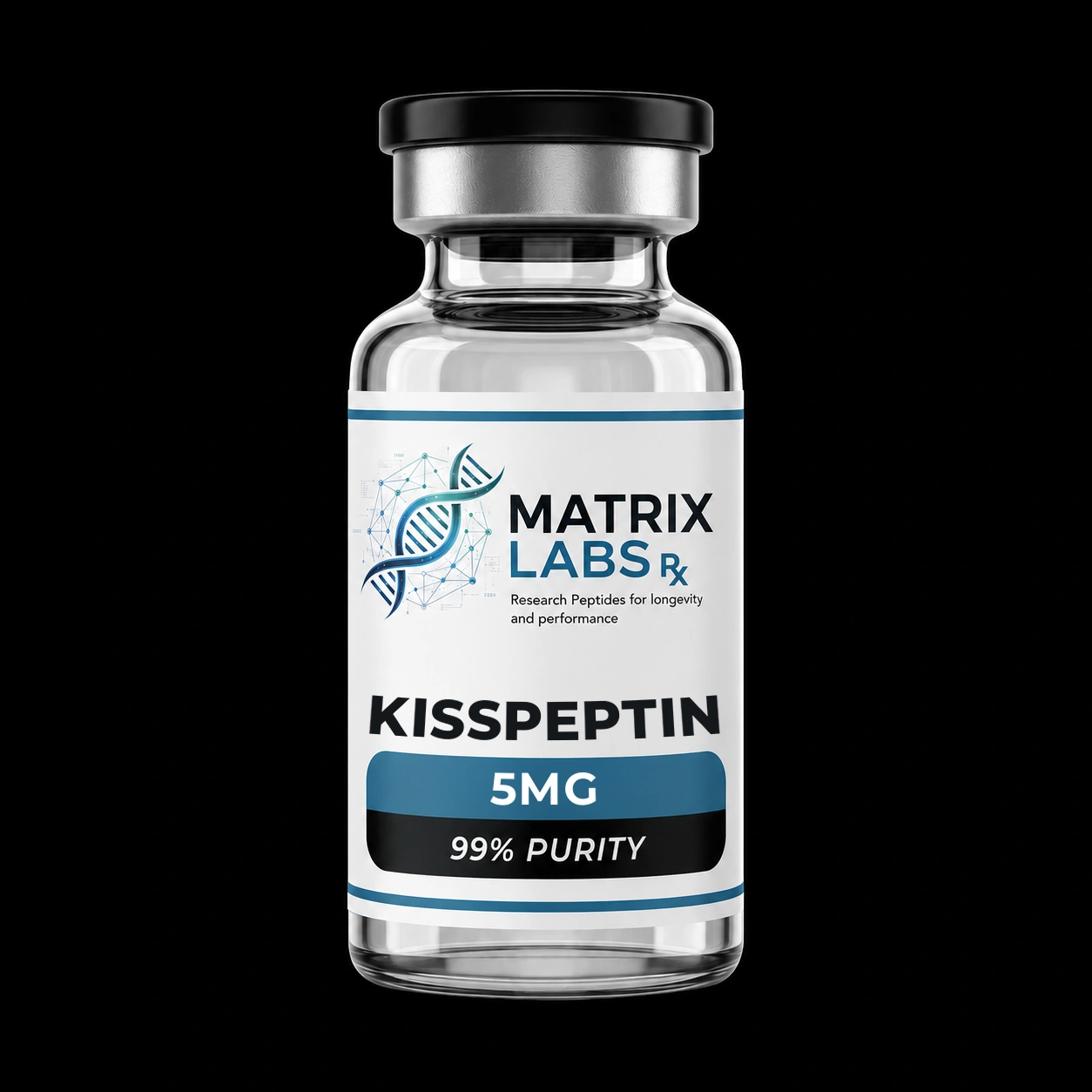
Kisspeptin
Kisspeptin is a family of synthetic peptide fragments derived from the KISS1 gene and is studied in biochemical and molecular research environments. It is primarily utilized in laboratory settings to investigate peptide–receptor interactions, neuroendocrine signaling pathways, and molecular communication mechanisms.
In research applications, kisspeptin peptides are incorporated into experimental models examining G-protein–coupled receptor (GPR54/KISS1R) signaling, intracellular signal transduction, and regulatory molecular pathways. Their defined amino acid sequences and reproducible characteristics make them suitable for in vitro assays, analytical characterization, and controlled experimental research frameworks requiring precise peptide behavior.
Kisspeptin is commonly used in research focused on neuropeptide signaling, receptor interaction analysis, and molecular pathway exploration. All handling and experimentation should be conducted by qualified professionals within properly equipped laboratory facilities and in accordance with applicable research standards.





Reviews
There are no reviews yet.